Poland is, from a logistics standpoint, reasonably well positioned for China trade. The country sits at the end of several major rail corridors from China, and the ports of Hamburg, Rotterdam, and Gdańsk all handle significant China-origin container volumes. The choice between transport modes is genuinely consequential — not just for cost and timing, but for what documentation you'll need and what customs complications might arise.
Sea freight: still the default for most cargo
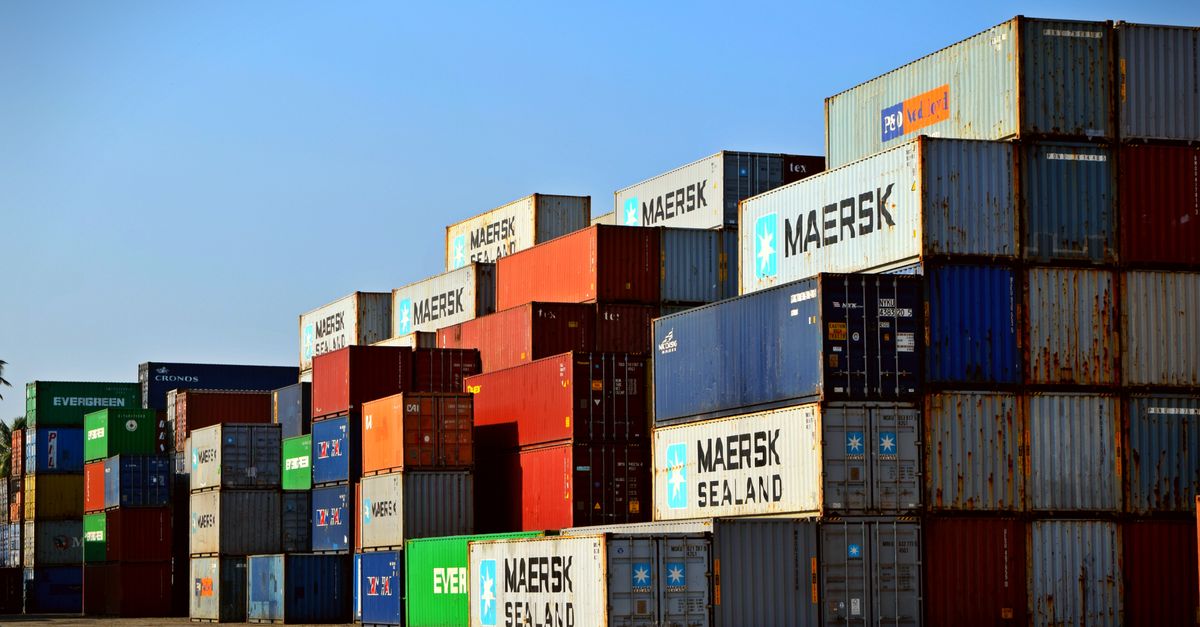
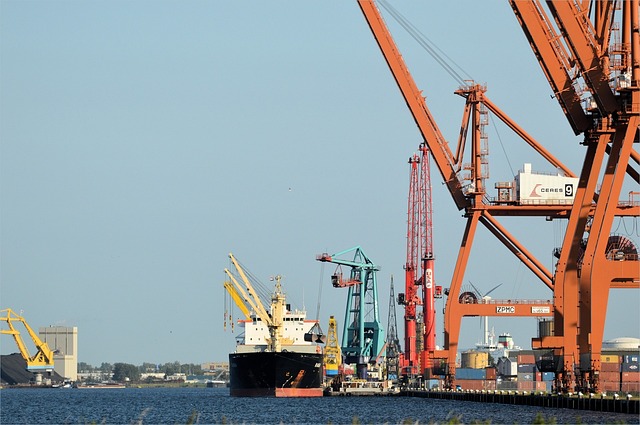
The majority of China imports into Poland arrive by sea, typically through Hamburg, Rotterdam, or Gdańsk. Transit time from major Chinese manufacturing hubs (Guangdong, Zhejiang, Jiangsu) to a Polish destination runs roughly 28 to 40 days door-to-door depending on the service and routing. LCL (less than container load) takes longer due to consolidation and deconsolidation at the ports.
Sea freight is cost-effective for bulk shipments and heavy goods. The documentation requirements are standard: commercial invoice, packing list, bill of lading, and any product-specific certificates. If your goods arrive at a non-Polish EU port, customs clearance can happen there or be deferred to Poland using the transit procedure (T1 or T2 depending on the goods) — the choice affects who files the declaration and when.
One thing Polish importers sometimes overlook: if goods clear through Hamburg or Rotterdam, a Polish customs broker can't file the entry declaration there. The clearance at the port of entry is handled by a local broker, and then the goods move to Poland under transit. This adds a step and a cost that isn't always reflected in the initial freight quote.
Rail freight: faster than sea, cheaper than air
The China-Europe Railway Express (CRE) has become a real option for goods where 14–21 day transit is meaningful but air freight is too expensive. Trains from Chengdu, Chongqing, and Xi'an to Polish destinations (Małaszewicze is the main Poland entry point) run regularly, though the reliability varies more than sea freight because fewer carriers and routes compete on this corridor.
Rail freight works well for mid-value goods where timing matters — electronics, components, seasonal items. The documentation is similar to sea freight, with a CIM/SMGS waybill replacing the bill of lading.
The Małaszewicze crossing, on the Belarus-Poland border, has been affected by sanctions-related disruption since 2022. Most current rail routes now come via different routing to avoid dependence on Belarusian rail, which adds time and cost compared to pre-2022 schedules. This is worth confirming with your freight forwarder before choosing rail.
Air freight: for goods where time is the real cost
Air freight runs 3–7 days from major Chinese airports. It costs roughly 5–8 times more per kilogram than sea freight for the same route, which makes it sensible only for high-value, low-weight goods or situations where a delay would cost more than the premium. Spare parts, medical devices, and samples are the typical use cases.
The customs process for air freight is faster by nature — goods move through quickly, and documentation is often available before the flight lands. The airway bill replaces the bill of lading. Everything else in the documentation package is the same.
What the mode choice means for customs
The transport mode itself doesn't change the customs procedure or the applicable duties. What changes is the logistics of when and where you need the declaration filed, and how quickly you need it ready.
For sea freight arriving at a Polish port: the declaration needs to be ready when the goods arrive or shortly before. For goods clearing elsewhere and moving under transit: the import declaration in Poland is filed at the destination customs office when the transit ends.
The practical implication: if you're using air freight for urgency, but your documentation isn't ready before the flight lands, the goods can sit at the airport warehouse while you sort the paperwork — which negates the speed advantage and adds storage costs.
Choosing based on your situation
Most importers use sea freight as the default and switch to air or rail when there's a specific reason. The decision is usually driven by the value of the goods relative to the transport cost, the urgency of the arrival, and the predictability of the timeline needed for planning.
If you're uncertain which mode makes sense for a particular shipment, that's usually a question for your freight forwarder rather than your customs broker — we can advise on the documentation implications of each, but the logistics economics are their area.
Questions about the customs side of any of the above — get in touch.